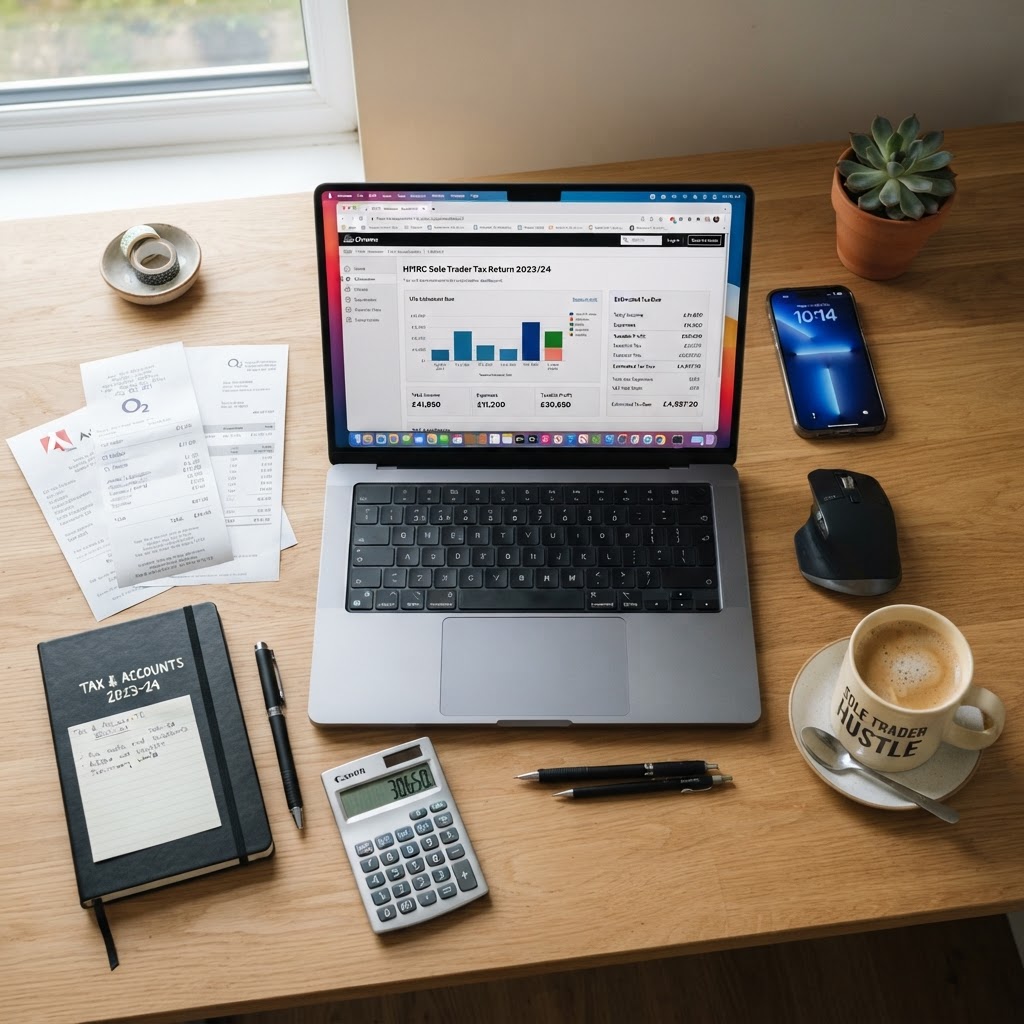
Maximize your savings as a sole trader by uncovering essential expenses you can claim. Learn how to keep more money in your pocket today!
Understanding Sole Traders and Their Tax Obligations
Sole traders represent a significant portion of the business community. Operating as a sole trader means you are self-employed and run your own business as an individual. You are solely responsible for all aspects of the business, including its debts and liabilities. This structure offers simplicity and flexibility, but it also necessitates a clear understanding of tax obligations to ensure compliance and maximize savings.
A key responsibility for sole traders is to maintain accurate financial records and report income and expenses to the tax authorities. Unlike incorporated entities, sole traders report their income through personal tax returns. This means that the profit from the business is taxed at the individual’s marginal tax rate. However, the ability to claim certain business expenses can significantly reduce taxable income, thereby minimizing tax liabilities.
It’s crucial for sole traders to be aware of the various expenses they can claim. These allowable deductions can include costs directly related to running the business, such as supplies, equipment, and travel expenses. By understanding and leveraging these claimable expenses, sole traders can effectively lower their taxable income and enhance their overall financial health.
Overview of Claimable Expenses for Sole Traders
Claimable expenses for sole traders are those that are essential and directly related to the operation of the business. The tax authorities typically allow deductions for a wide range of business-related costs, provided they are necessary for generating income. The goal is to ensure that only legitimate business expenses are claimed, preventing any misuse of the system.
One of the most common categories of claimable expenses includes those related to the home office, especially for sole traders who operate primarily from their homes. This can encompass a portion of rent, utilities, and internet costs. Vehicle and travel expenses also constitute a significant claimable expense, covering fuel, maintenance, and business-related travel.
Other notable claimable expenses include costs for equipment and supplies necessary for business operations, marketing and advertising expenditures aimed at promoting the business, and professional fees such as accounting and legal services. Additionally, insurance premiums related to the business can also be deducted. Understanding these categories can empower sole traders to make informed decisions and optimize their tax savings.
Home Office Expenses: What You Can Deduct
For sole traders who run their businesses from home, home office expenses can be a substantial deduction. The key is to ensure that the space is used exclusively and regularly for business purposes. The tax authorities generally allow a portion of home-related expenses proportional to the amount of space used for business.
Home office deductions can include a portion of rent or mortgage interest, utilities such as electricity and water, internet and phone bills, and even home repairs and maintenance. For instance, if your home office occupies 10% of your home's total floor space, you can claim 10% of these expenses as business costs. It’s essential to keep detailed records and receipts to support these claims.
Furthermore, sole traders can also claim depreciation on office furniture and equipment used in the home office. This includes items like desks, chairs, computers, and printers. Depreciation spreads the cost of these items over their useful life, providing a more accurate reflection of their contribution to the business over time.
Vehicle and Travel Expenses: Maximizing Your Claims
Vehicle and travel expenses can also provide significant deductible opportunities for sole traders. If you use your vehicle for business purposes, you can claim a portion of the expenses related to its operation. This can include fuel, maintenance, insurance, and depreciation. The key is to differentiate between personal and business use.
To claim vehicle expenses, you can use either the actual expense method or the standard mileage rate method. The actual expense method involves tracking all vehicle-related expenses and claiming the business-use portion. The standard mileage rate method, on the other hand, allows you to claim a set rate per mile driven for business purposes. It’s important to keep a detailed log of business miles driven to support your claim.
Travel expenses incurred while conducting business away from your primary location are also deductible. This includes costs for transportation, lodging, meals, and incidentals. For instance, if you attend a business conference in another city, you can claim the cost of airfare, hotel stays, and meals. Keeping receipts and detailed records of the purpose of the trip is crucial for substantiating these claims.
Equipment and Supplies: Essential Purchases You Can Claim
Equipment and supplies are essential for the day-to-day operations of any business, and sole traders are no exception. These expenses can range from office supplies like paper and pens to more significant purchases like computers, machinery, and specialized tools. Claiming these expenses can provide significant tax relief.
When purchasing equipment, you may be able to claim the full cost in the year of purchase or depreciate the cost over several years, depending on the item's useful life and tax regulations. This is known as capital allowances. For example, a computer used for business purposes can be depreciated over its expected useful life, spreading the deduction across multiple years.
In addition to equipment, everyday supplies necessary for business operations are also deductible. This includes items like printer ink, stationery, cleaning supplies, and any other consumables directly related to running the business. Ensuring that these expenses are well-documented and justified as business necessities is crucial for maximizing claims.
Marketing and Advertising Costs: Claiming for Promotion
Marketing and advertising are vital for growing a business and reaching new customers. Sole traders can claim expenses related to promoting their business, which can include a wide array of activities and materials. Advertising in print, online, and broadcast media, as well as costs for creating promotional materials, are all deductible.
For instance, if you run ads on social media platforms or search engines, you can claim the cost of these ads. Similarly, expenses for designing and printing brochures, business cards, and flyers are also deductible. Even the cost of maintaining a business website, including hosting and domain fees, can be claimed as a business expense.
Networking and attending trade shows or industry events are also essential marketing activities that incur deductible expenses. This includes the cost of booth rentals, travel, and accommodation related to attending these events. By claiming these marketing and advertising costs, sole traders can reduce their taxable income while investing in the growth of their business.
Professional Fees and Insurance: Protecting Your Business
Professional fees and insurance premiums are critical expenses that sole traders can claim. Engaging professionals such as accountants, lawyers, and consultants can provide valuable expertise and support for your business, and the fees paid for these services are deductible.
For example, the cost of hiring an accountant to prepare your tax returns or a lawyer to draft business contracts can be claimed as a business expense. These professional services ensure compliance with legal and financial regulations, reducing the risk of costly errors and penalties. Consulting fees paid to business advisors for strategic planning and growth initiatives are also deductible.
Insurance premiums are another essential expense for protecting your business. This includes general liability insurance, professional indemnity insurance, and any other policies relevant to your industry. By claiming these premiums, you can safeguard your business against unforeseen risks while reducing your taxable income.
Understanding the Importance of Keeping Accurate Records
Accurate record-keeping is fundamental for sole traders to substantiate their expense claims and comply with tax regulations. Maintaining detailed records of all income and expenses ensures that you can provide evidence to support your deductions if required by tax authorities.
Records should include receipts, invoices, bank statements, and any other documentation related to business transactions. Using accounting software can simplify this process, allowing you to track expenses, generate reports, and maintain organized financial records. Regularly reconciling your accounts and reviewing your financial statements can help identify any discrepancies and ensure accurate reporting.
In addition to facilitating tax compliance, accurate records provide valuable insights into your business’s financial health. They enable you to monitor cash flow, manage expenses, and make informed decisions about budgeting and investing in your business. By prioritizing meticulous record-keeping, sole traders can maximize their tax savings and enhance their overall financial management.
Common Mistakes to Avoid When Claiming Expenses
While claiming expenses can provide significant tax savings, it’s essential to avoid common mistakes that could lead to disallowed deductions or penalties. One common mistake is failing to differentiate between personal and business expenses. Only expenses that are solely for business purposes are deductible, so it’s crucial to keep personal and business finances separate.
Another mistake is not keeping adequate records to support your claims. Without proper documentation, tax authorities may disallow your deductions. Ensure that you retain receipts, invoices, and detailed logs for all claimed expenses. Using accounting software and regularly updating your records can help prevent this issue.
Overlooking eligible expenses is another common mistake. Sole traders may miss out on deductions simply because they are unaware of what they can claim. Staying informed about allowable expenses and consulting with a tax professional can help you identify and maximize your deductible expenses. By avoiding these common pitfalls, you can optimize your tax savings and ensure compliance.
Conclusion: How Claiming Expenses Can Boost Your Savings
Claiming expenses is a powerful strategy for sole traders to reduce their taxable income and maximize their savings. By understanding the range of deductible expenses, from home office and vehicle costs to equipment, marketing, professional fees, and insurance, sole traders can significantly lower their tax liabilities.
Accurate record-keeping and staying informed about tax regulations are essential for substantiating expense claims and ensuring compliance. By avoiding common mistakes and seeking professional advice when needed, sole traders can optimize their deductions and enhance their financial health.
Ultimately, effective expense management not only boosts savings but also supports the growth and sustainability of your business. By leveraging allowable deductions, sole traders can retain more of their hard-earned income, invest in their business, and achieve greater financial success.